School Goal One

To build skills and provide opportunities for students to interact responsibly, thoughtfully, and respectfully in all aspects of their lives.
How can we build skills and provide opportunities for students to interact responsibly, thoughtfully, and respectfully in all aspects of their lives?
- Through the student technology survey we have gained a deeper understanding of how our students are engaging with the online world in their personal time; and
- Through our empathy interviews students have been reflecting on how we move forward in times of challenge to do better the next time.
This goal and driving inquiry aligns to both our Global Citizenship and Indigenous Learner Success district strategic goals and First Peoples Principles of Learning.

First Peoples Principles of Learning

The Global Citizenship Goal needs to ensure that:
- Learning ultimately supports the well-being of the self, the family, the community, the land, the spirits, and the ancestors.
- Learning recognizes the role of Indigenous knowledge.
- Learning requires exploration of one’s identity.
Over the course of the year, the following will be our direct areas of focus:
- Embedded use of our school beliefs – ‘We take care of ourselves, We take care of others, We take care of this place’;
- Celebration of light- highlighting celebrations across culture during the winter months so all of our students see themselves reflected in our school assemblies. This will be supported in collaboration with our ELL teacher;
- PAW CLAW assemblies - each month is focuses on a theme which contributes to building positive school culture;
- School bulletin board- monthly bulletin board features work by every student;
- Variety of clubs, teams, and student leadership opportunities for students to become active, contributing members of their school community;
- Digital Citizenship lessons taught both explicitly and embedded in all aspects of the curriculum addressing digital etiquette and safety;
- Taking ownership of our plots in the school garden with the theme of pollination;
- Connecting with nature by spending more time outdoors in our nature space engaging with the land;
- Sharing our voices - using language or images to create a school video saying thank you or hello in several languages which are represented in our school; and
- Important connections made for every student- our staff each connect on a regular basis with students beyond their classroom who benefit from additional and ongoing adult connection.
- Monthly assemblies – compliments, Panther praise certificates, “PAWS Applause” for all our children
- focusing on positive contributions to school or classroom culture, student presenters and student emcees;
- Increased time in natural spaces- reading in the wild, nature explorers club, trail walks, use of our outdoor classroom.


Over the 2025-2026 year, we will track progress on our initiatives identified in this year’s plan. And, specifically:
Student Learning Survey questions to add to Spring Student Learning Survey:
- How would you tell a friend how to play safely online?;
- Can you name 2 or more adults at our school who you can seek help from?;
- Name some new students you feel connected to after starting our PAW CLAW assemblies.;
- What do you enjoy about PAW CLAW?;
- Recognize all of our students who have participated in clubs and teams;
- Survey students about efficacy of family grouping assemblies and seek feedback about what would make them more empowering for students;
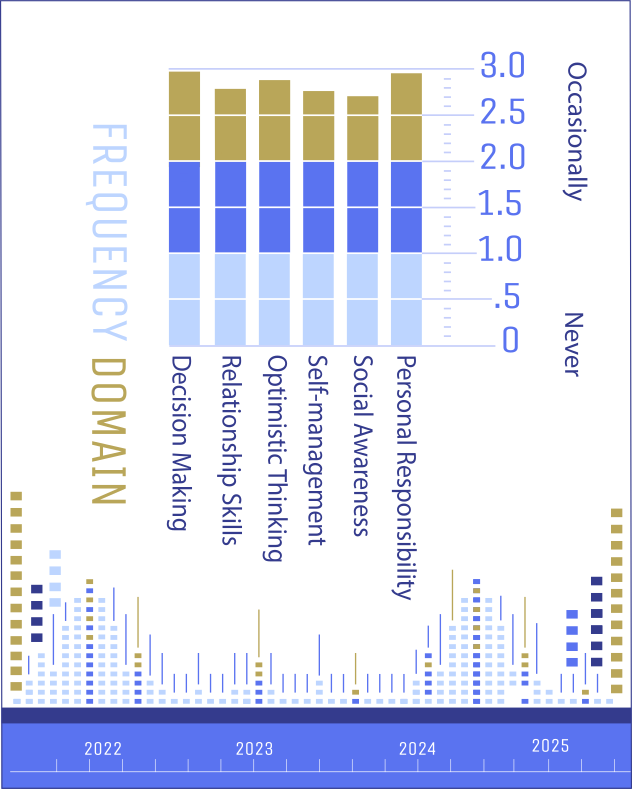
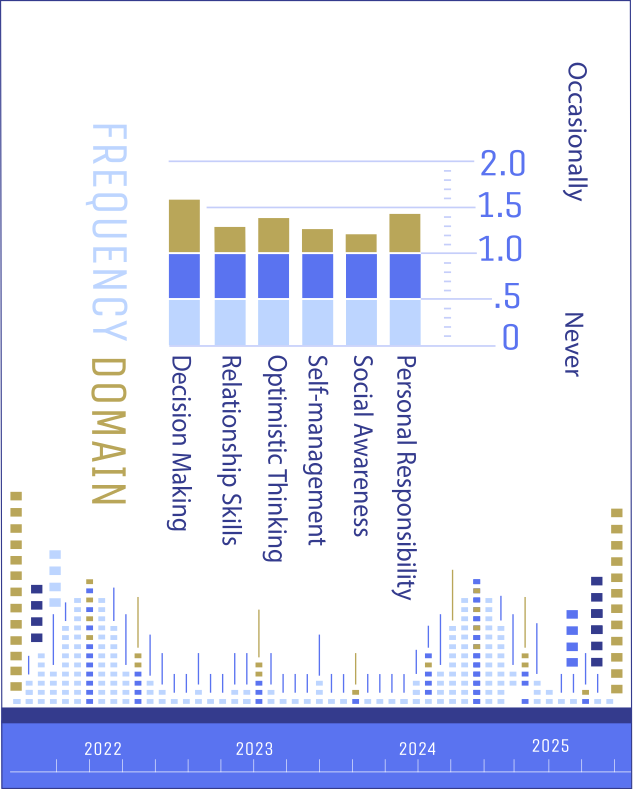
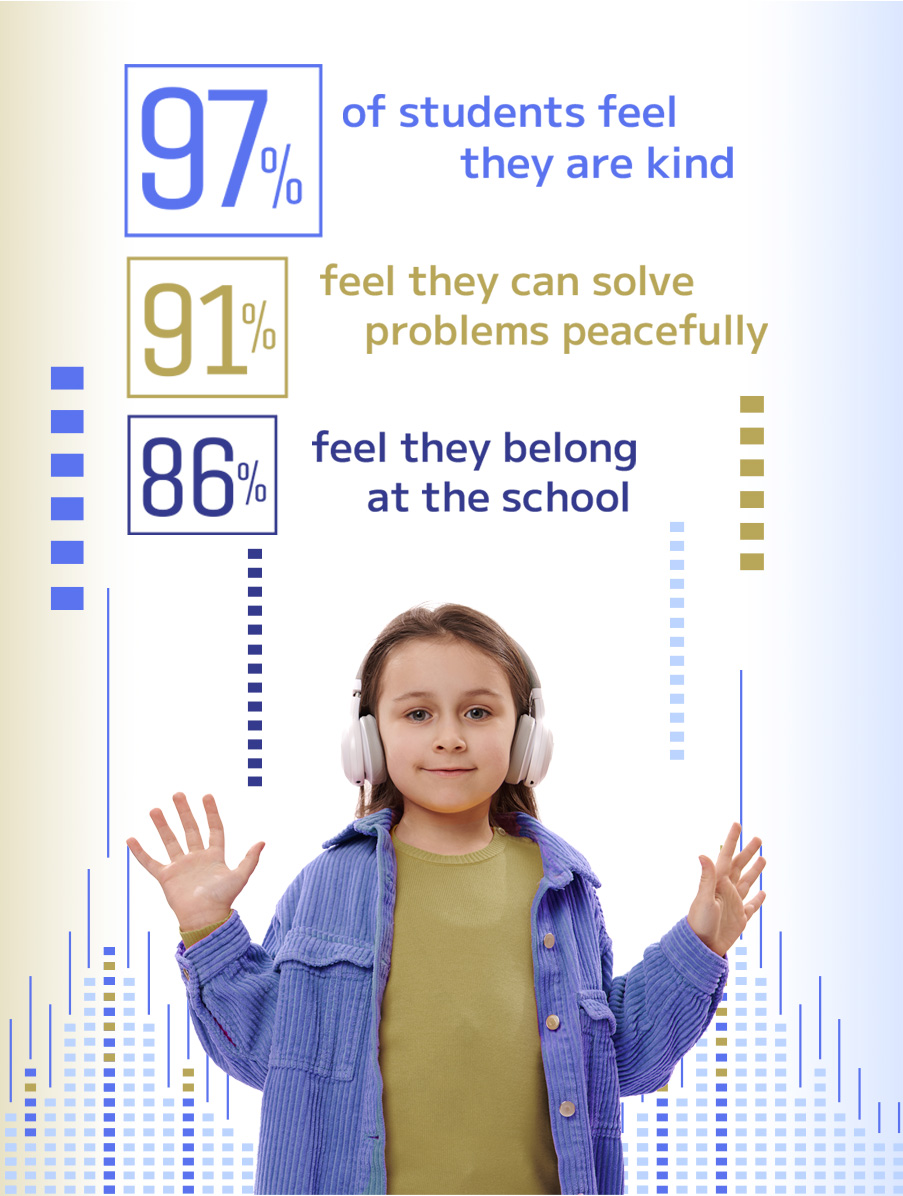
- From the Student Learning Survey (2024-2025) , 71.8% of students report they know how to solve problems in peaceful ways; 71.4% of students feel they can get help that they need from adults in the school;
- From our school technology use survey (Grades 3-5, Oct 2024)- 75% of students have access to a tablet or iPad; 66% of students have access to a gaming system; 35% of students have access to a cell phone. Moving forward, we plan to continue digital literacy lessons to support our students in the ways they connect online as a part of our Global Citizenship goal; and
- Ask our PAC – how are our school initiatives supporting connection and belonging to our school and enhancing student connection to our wider world?.
Summary learning, based on evidence gathered over the year, will provide us with key learnings to guide next steps for the 2025-2026 school year and beyond.
- Whole school activities for June Indigenous Peoples day and Orange Shirt day;
- PAW CLAW survey—perhaps all students could participate grades 3-5 to provide feedback and gauge student engagement, connection and belonging;
- Data from technology survey—completed in October 2024 while doing digital literacy surveys for grades 3-5;
- Cultivate values and attitudes—global citizenship education commitment to interconnectedness and valuing other cultures;
- Skills for engagement—clubs and teams, school garden, climate change makers, digital citizenship lessons, vulnerable students;
- Saying good luck in various languages for grade 5 farewell/ year end slide show; and
- Digital citizenship survey has now led to a parent engagement evening (April 2025) around safe digital media use.